Frequently Asked Questions
Our timber and poly resin shutters are custom made and available in a range of colours and installation styles, including hinged, sliding, bi-fold, and fixed. You can mix both timber and poly throughout your home as they can look the same.
Timber shutters are made from western red cedar, basswood or paulownia, offering a classic natural finish with a lighter weight. Stained or oiled timber will need a little more care, especially around joints and edges. Timbers can also have a painted finish.
Poly resin shutters, also known as PVC, are made from a durable synthetic material (in compliance with REACH EU 1907/2006 Article 33(1)), ideal for wet or humid areas like the bathroom, laundry, and kitchen. They are water-resistant, low-maintenance with a smooth, consistent finish and more resistant to warping, cracking, UV rays, and termites. Poly resin shutters are generally the more budget-friendly option.
| Feature | Poly Resin | Stained Basswood | Stained Paulownia | Western Red Cedar |
|---|---|---|---|---|
| Appearance | Smooth painted finish (usually white) | Premium fine timber grain | Natural timber grain with a softer look | Rich, distinctive grain with warm natural character |
| Available Colours | Mainly whites and off-whites | Wide range of stains and paint colours | Wide range of stains and paint colours | Clear finish, natural oils, or stained in various colours |
| Weight | Heavy | Medium | Very light | Lightweight |
| Strength | Extremely strong and rigid | Strong and durable | Good strength | Strong with excellent dimensional stability |
| Moisture Resistance | Excellent | Good when sealed | Good when sealed | Excellent natural resistance to moisture, decay and insects |
| Best Rooms | Bathrooms, laundries, kitchens | Living areas, bedrooms, studies | Living areas, bedrooms, large windows | Living areas, feature windows, coastal homes, alfresco areas (protected) |
| Insulation | Excellent | Very good | Very good | Excellent |
| Maintenance | Wipe clean | Occasional timber care | Occasional timber care | Occasional timber care; may require recoating over time depending on exposure |
| Longevity | 20+ years | 20+ years | 15–20+ years | 25+ years with proper care |
| Price | $$ | $$$$ | $$$ | $$$$–$$$$$ |
| Environmental Impact | Synthetic material | Plantation hardwood | Fast-growing sustainable timber | Sustainably harvested softwood with excellent environmental credentials |
Poly Resin
Best for: Bathrooms, laundries, kitchens and homes wanting a durable white shutter with minimal maintenance.
Pros
- 100% waterproof
- Won’t warp, crack or peel
- Ideal for Queensland humidity
- Easy to clean
- Extremely durable
Cons
- Painted finishes only
- Heavier than timber
- Doesn’t provide the warmth of natural wood
Stained Basswood
Best for: Premium homes where a refined timber appearance is desired.
Pros
- Premium furniture-grade timber
- Beautiful, consistent grain
- Excellent stain finishes
- Strong and stable
- Adds value to the home
Cons
- Premium price
- Not suitable for wet areas
Stained Paulownia
Best for: Customers wanting real timber at a more affordable price.
Pros
- Very lightweight
- Ideal for large windows
- Sustainable timber
- Good insulation
- Excellent value
Cons
- Softer timber than basswood
- Can dent more easily
- Not recommended for high-moisture rooms
Western Red Cedar
Best for: Luxury homes, architectural projects and customers wanting the beauty of genuine cedar timber.
Pros
- Stunning natural grain and colour variation
- Naturally resistant to moisture, decay and insects
- Excellent thermal and acoustic insulation
- Lightweight yet stable
- Ideal for larger shutters due to its low weight
- Can be stained to enhance its natural beauty or left with a clear finish
Cons
- Highest-priced timber option
- Requires periodic maintenance to preserve its appearance
- Natural colour may mellow over time if exposed to UV light
Which material is right for you?
| If you want… | Best Choice |
|---|---|
| Bathrooms or laundries | Poly Resin |
| Lowest maintenance | Poly Resin |
| Best value stained timber | Paulownia |
| Premium furniture-grade timber | Basswood |
| Rich cedar grain and natural warmth | Western Red Cedar |
| Lightweight shutters for large windows | Paulownia or Western Red Cedar |
| Luxury architectural finish | Western Red Cedar |
| Highest durability in humid climates | Poly Resin |
Recommendation for Queensland homes
- Poly Resin is the ideal choice for white shutters in wet or humid environments, offering exceptional durability with virtually no maintenance.
- Paulownia provides an excellent balance of affordability, light weight and natural timber appeal.
- Basswood is the premium hardwood option, prized for its smooth grain and elegant stained finishes.
- Western Red Cedar is the luxury choice, offering distinctive natural beauty, excellent stability and outstanding insulation, making it ideal for high-end homes and feature windows where the character of real cedar is a key design element.
Yes. With the increased cost of Western Red Cedar people are looking for alternatives. Paulownia is a light weight, sustainable timber with a characteristic grain. It has a similar strength to western red cedar and feels like a firm balsa wood. Paulownia can be painted or stained to show the timber grain.
Folding arm awnings are designed to provide shade and light weather protection, they are not intended to withstand strong winds, heavy rain, or storms. Nor should they stay extended. Using them correctly will help maximise their lifespan and reduce the risk of damage.
How to Use a Folding Arm Awning
- Extend the awning to provide shade from the sun and to create a comfortable outdoor living area.
- Retract the awning when it is not in use, particularly overnight or when leaving the property unattended.
- Never leave the awning extended during strong or gusty winds. Wind places significant pressure on the fabric and folding arms, which can result in costly damage that is generally not covered under warranty.
- Retract the awning during heavy rain. Water can pool on the fabric, causing it to stretch or place excessive strain on the frame. While some awnings can tolerate light rain if installed with an adequate pitch, they are not designed to support heavy rainfall.
- Always retract the awning before storms, hail, or severe weather.
- If your awning is motorised and fitted with a wind sensor, remember that the sensor is an additional safeguard only. It should not replace monitoring weather conditions and retracting the awning when adverse weather is expected.
- Keep the area beneath and around the awning clear while operating it, ensuring there are no obstacles that could interfere with the arms or front bar.
Care and Maintenance
- Allow the fabric to dry before retracting it for extended periods. If it must be retracted while wet, extend it again as soon as practical to dry and reduce the risk of mould or mildew.
- Periodically clean the fabric using a soft brush and mild soapy water. Avoid harsh chemicals or pressure cleaners.
- Keep the arms, brackets, and moving components free from dirt and debris.
- If you notice unusual noises, difficulty operating the awning, or signs of damage, stop using it and arrange for inspection before further operation.
Important
A folding arm awning is a shade product, not a permanent weather shelter. Damage caused by wind, storms, misuse, or failure to retract the awning during adverse weather conditions.
Cleaning Algae and Mould from Awning Fabric
- Fully extend the awning on a dry day.
- Brush away loose dirt and debris using a soft-bristled brush.
- Prepare a cleaning solution:
- Mix warm water with a mild detergent or pH-neutral soap.
- For stubborn mould or algae, mix 1 part white vinegar to 4 parts water. Test the solution on an inconspicuous area first.
- Apply the solution using a soft brush or sponge, working gently into the affected areas.
- Allow it to sit for 10–15 minutes, but do not let the solution dry on the fabric.
- Rinse thoroughly with clean water to remove all soap or vinegar residue.
- Leave the awning fully extended until the fabric is completely dry before retracting it.
What to Avoid
- Do not use bleach, chlorine-based cleaners, or strong solvents unless specifically recommended by the fabric manufacturer, as these can damage the fabric, stitching, and water-repellent coating.
- Do not use a high-pressure cleaner, as it can weaken the fabric and force water into the seams.
- Avoid scrubbing aggressively, which may damage the fibres or fade the colour.
Preventing Future Mould Growth
- Always allow the awning to dry before retracting it for long periods.
- Regularly remove leaves, dirt, and organic matter from the fabric.
- Periodically hose the awning down and clean it with mild soapy water to prevent build-up.
- If your awning is located in a damp or shaded area, inspect it more frequently, as these conditions encourage mould and algae growth.
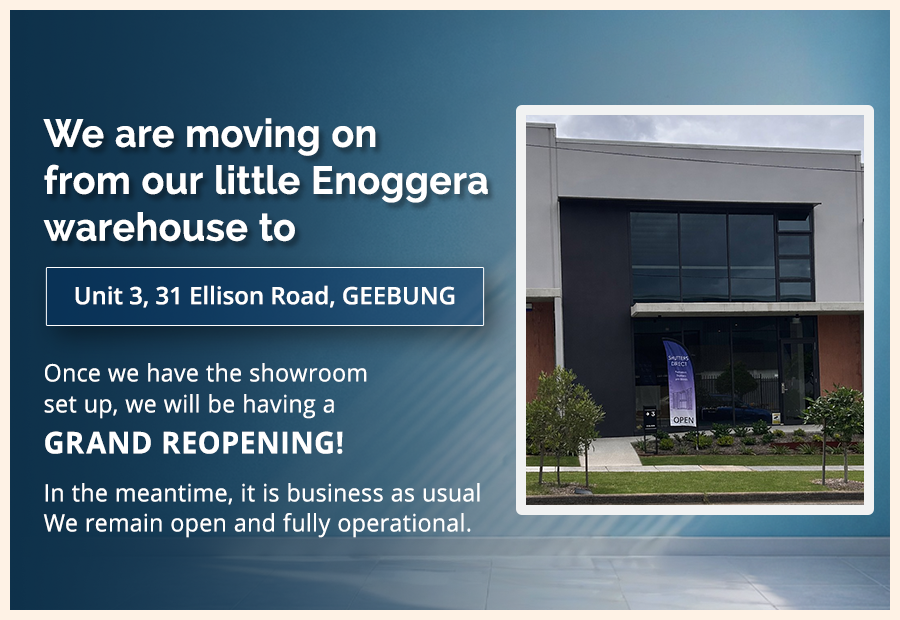
Go to our Contact Us page, send us an email, or phone the office to book an in-home quote. Being a family business we can come to you any time as Andrew has samples and colour options with him in the van. We also have samples and colour options at our Geebung warehouse/showroom. Once your windows are measured up we’ll send through your quote for approval. Deposit details are included and payment initiates your order to proceed. We will send emails updating you with the progress of your order. On delivery of your products we will contact you directly for an installation date and we’ll have your new plantation shutters or blinds installed for you to enjoy for years to come.
We are a small family business located in Brisbane (check out our About Us page). Andrew’s keen understanding of shutters & blinds from material selection to installation requirements makes us unique. He’s with you from the initial quote right through the installation process. We have some great reviews on Facebook, Google or our Testimonials page.
Our shutters and blinds are custom made to your exact specifications and delivery dates vary on each product, from 3 to 12 weeks from the date your deposit is received. We receive updates from our manufacturers and endeavour to keep our clients up to date via email and SMS. Once your products have arrived in our warehouse, we are in contact again to schedule your installation date.
Our plantation shutter manufacturers paint each part of the shutter first with a with low VOC water-based acrylic paint, before assembling and applying the final coat. Volatile Organic Compounds (VOC’s) are group of chemicals found in many traditional paints. Low VOC water-based acrylic paint is an eco-friendly choice. It reduces the emission of harmful chemicals, which help in decreasing air pollution and environmental impact. These paints are designed to be just as durable and high-performing as traditional paints offering excellent coverage, color retention, and longevity.
We will always be available to assess warranty claims on any of our installed products. Valid claims will be corrected free of charge. The time line for product warranties depend on the product with up to 20 years for specified poly resin plantation shutters.
“Fluffy strips”—ALSO known as brush seals or weatherstripping—are soft nylon or polypropylene bristles attached to external aluminium shutters to minimise rattling, block dust, and cushion closing.
Pros
- Rattle Prevention: Cushions the aluminium panels against frames during high winds, ensuring quieter operation.
- Debris and Dust Barrier: Deters dirt, leaves, and crawling insects.
- Smooth Movement: Low-friction bristles allow sliding or folding shutter panels to glide easier.
- Gap Flexibility: Conforms well to minor structural shifts or uneven mounting surfaces.
Cons
- Not Fully Airtight: Porous nature of bristles means heavy driving rain and strong air drafts can still pass through.
- Wear and Flattening: Direct UV exposure and outdoor elements can cause nylon piles to flatten, stiffen, or wear down over several years.
- Dirt Accumulation: Bristles can trap fine airborne dust, pollen, and grime, requiring periodic cleaning or vacuuming.